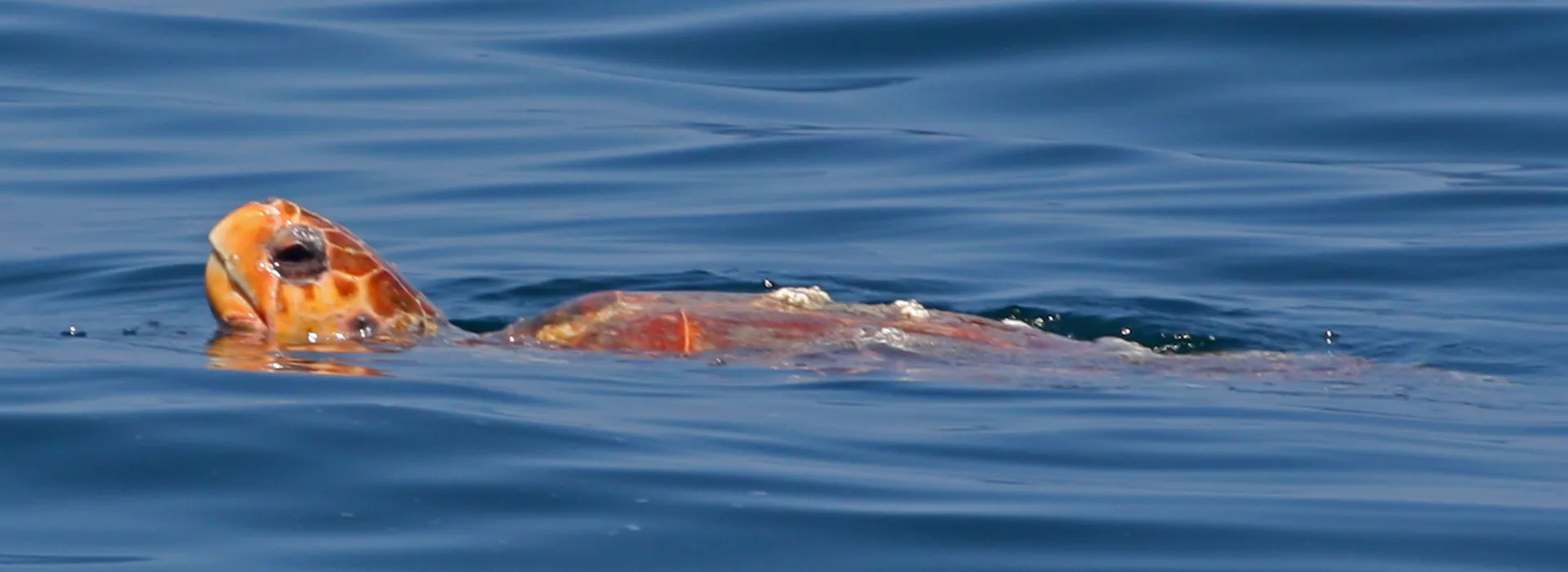
Sea Turtle Season on Vero Beach's Barrier Island: a Local's Guide
Nesting timeline, lighting rules, where to watch responsibly, and why 32963 is one of the densest sea turtle nesting beaches in the Western Hemisphere.
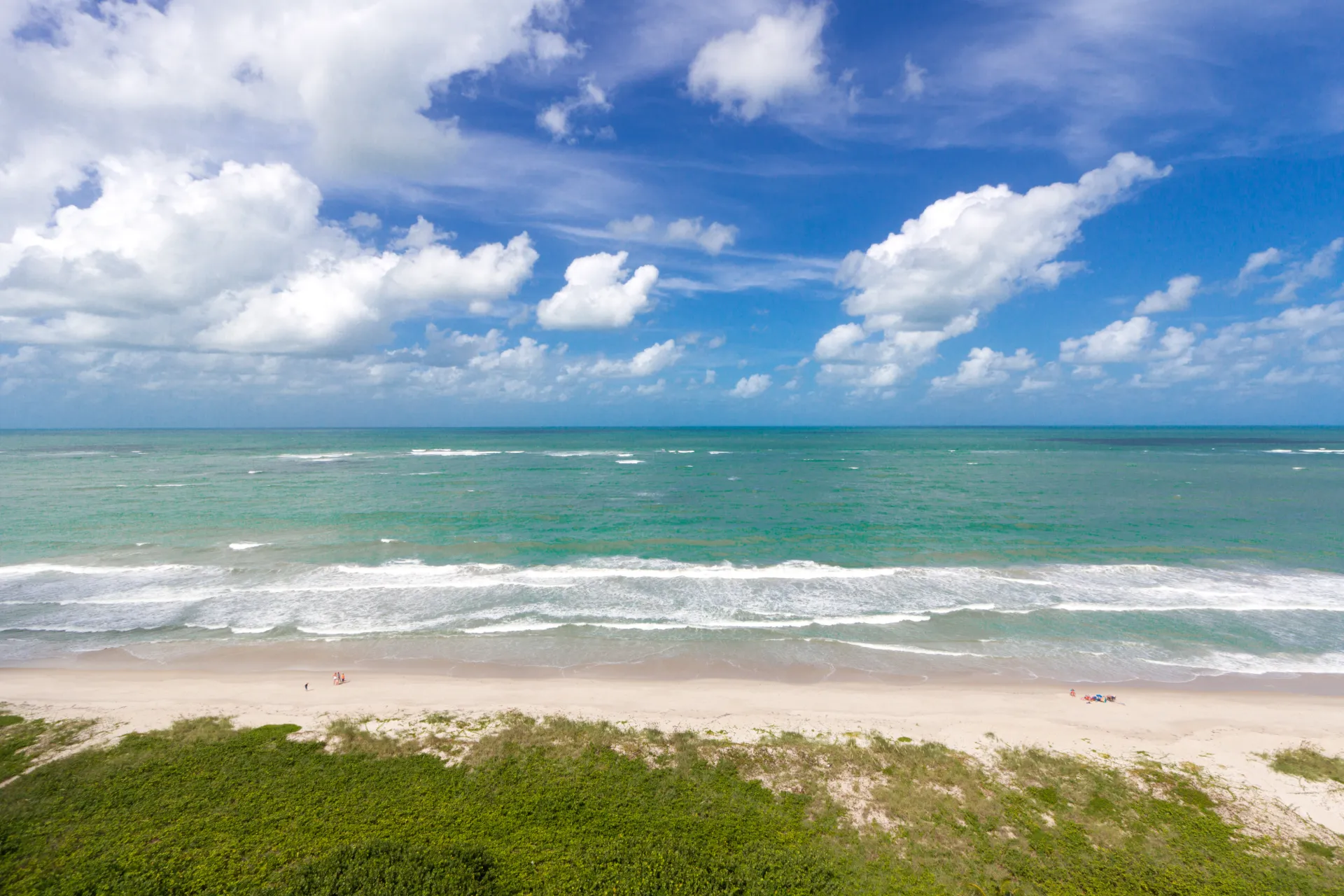
The barrier island runs along one of the most important sea turtle nesting coasts on the planet. The 20-mile Archie Carr National Wildlife Refuge, which begins just north of Wabasso, hosts more loggerhead nests per mile than nearly any other beach in the Western Hemisphere, plus significant green and leatherback nesting. If you own here, rent here, or visit in summer, sea turtle season shapes the rules. This is the working guide.
The Calendar
Florida's official sea turtle nesting season runs March 1 through October 31, with most barrier island activity falling between May and September.
- March to April: Leatherbacks arrive first. Largest and rarest of the three nesters here.
- May to July: Peak loggerhead nesting. The bulk of the season's nests are laid during these weeks.
- June to August: Green sea turtle nesting layers in. Numbers vary year to year on a roughly two-year cycle.
- July through October: Hatching. Each nest incubates for roughly 50 to 60 days, so the first nests laid in May begin emerging in early summer and the latest nests hatch into late October.
The Three Species You'll See
Loggerhead. The species that defines the Archie Carr beach. A nesting female weighs 200 to 350 pounds and leaves a tractor-tread track in the sand. Most numerous by an order of magnitude.
Green. Smaller track, distinct flipper pattern. Nesting numbers swing widely between odd and even years.
Leatherback. The giant. Up to 1,000 pounds. Tracks are unmistakable: a wide, deep groove with a center tail-drag line. Rare encounters that long-term residents talk about for years.
Lighting Rules That Apply to You
Indian River County and Vero Beach both enforce sea turtle lighting ordinances from May 1 through October 31. The rules apply to any property visible from the beach, which is essentially every oceanfront and ocean-access home on the barrier island.
- Three-rule standard: Lights must be long-wavelength (amber, red, or orange), shielded so the source is not visible from the beach, and kept low to the ground.
- Interior lights count. Interior fixtures visible through east-facing windows must be turned off, dimmed, or blocked with blinds and curtains during nesting hours after dusk.
- No flashlights or phone lights on the beach at night. Any white light disorients hatchlings and can pull them away from the surf.
- Hatchlings follow the brightest horizon. On an unlit beach, that is the moonlit ocean. A single porch light pointed the wrong way can pull an entire nest inland.
Code enforcement does check. Fines are real. The good news: a properly lit oceanfront home looks beautiful at night and complies easily with modern amber LED fixtures.
How to Watch Responsibly
Permitted Turtle Walks
The Archie Carr Refuge and partner organizations run guided night walks during peak nesting in June and July. These are the only legal way to observe a nesting loggerhead up close. Walks book months in advance. Reservations open in spring; check the refuge and Disney Vero Beach Resort programs early.
Self-Guided Beach Walks
You can walk the beach at night during nesting season as long as you do not use a white light, do not approach a nesting turtle within the prescribed distance, and do not interfere with marked nests. If you encounter a nesting female, stay behind her, stay still, and stay quiet until she returns to the water.
Hatching
Most nests emerge after dark. Volunteers from county and state programs monitor marked nests during the projected emergence window. If you happen on an emergence, give the hatchlings a wide berth, kill any nearby light, and let them find the sea on their own.
What to Do If You Find a Nesting Turtle, Stranded Turtle, or Hatchling in Trouble
The Florida Fish and Wildlife Conservation Commission's Wildlife Alert hotline is 1-888-404-3922. Call for any stranded, injured, or disoriented turtle, any hatchling found inland, or any disturbed nest. Do not move the turtle yourself. Do not attempt to put a hatchling in the water. Mark the location, keep the area dark and quiet, and wait.
Why This Matters for Property Owners
- Renovations. Any exterior lighting redesign on an oceanfront home should start with a turtle-friendly fixture spec, not end with one.
- Pools and patios. Pool lights, deck lights, and dock lights all require shielding or amber output during nesting season.
- Landscape design. Vegetated dunes hold beach better and reduce light spill at the same time. Native sea oats are non-negotiable.
- Beach renourishment. Indian River County's beach renourishment program coordinates with FWC to minimize impacts on nesting habitat. Property owners pay for it through MSTU assessments on a multi-year cycle.
The Long View
The barrier island's role as a nesting coast predates everything else about it. The dune line you walk on at sunrise is one of the few parts of the East Coast that has been functionally unchanged in this respect for thousands of years. Owning a home here means inheriting a small piece of that responsibility. The rules are not onerous once they are routine, and the payoff is the chance to share a beach with one of the more remarkable wildlife migrations on Earth.