Vero Island History
The Vero Beach barrier island went from citrus-era outpost to resort community in about forty years. The pivotal moment was 1919, when three Midwesterners from Cleveland, Dr. J.P. Sawyer, Dr. W.H. Humiston and E.E. Strong, built the island's first golf course in the dunes, designed by English architect Herbert Strong. The club was chartered as Riomar Country Club in 1925, as electricity and city infrastructure reached the island, establishing the pattern of club-centered development that still defines the island.
Understanding Vero's beachside history explains its shape: low buildings, deep lots, private clubs and a single main road.
Three forces did most of the work: citrus money, the Florida East Coast Railway, and a 35-foot building height limit, written into the City of Vero Beach zoning code in 1973 and into the City Charter in 1989.
Related: Arts & culture · Barrier Island Neighborhoods
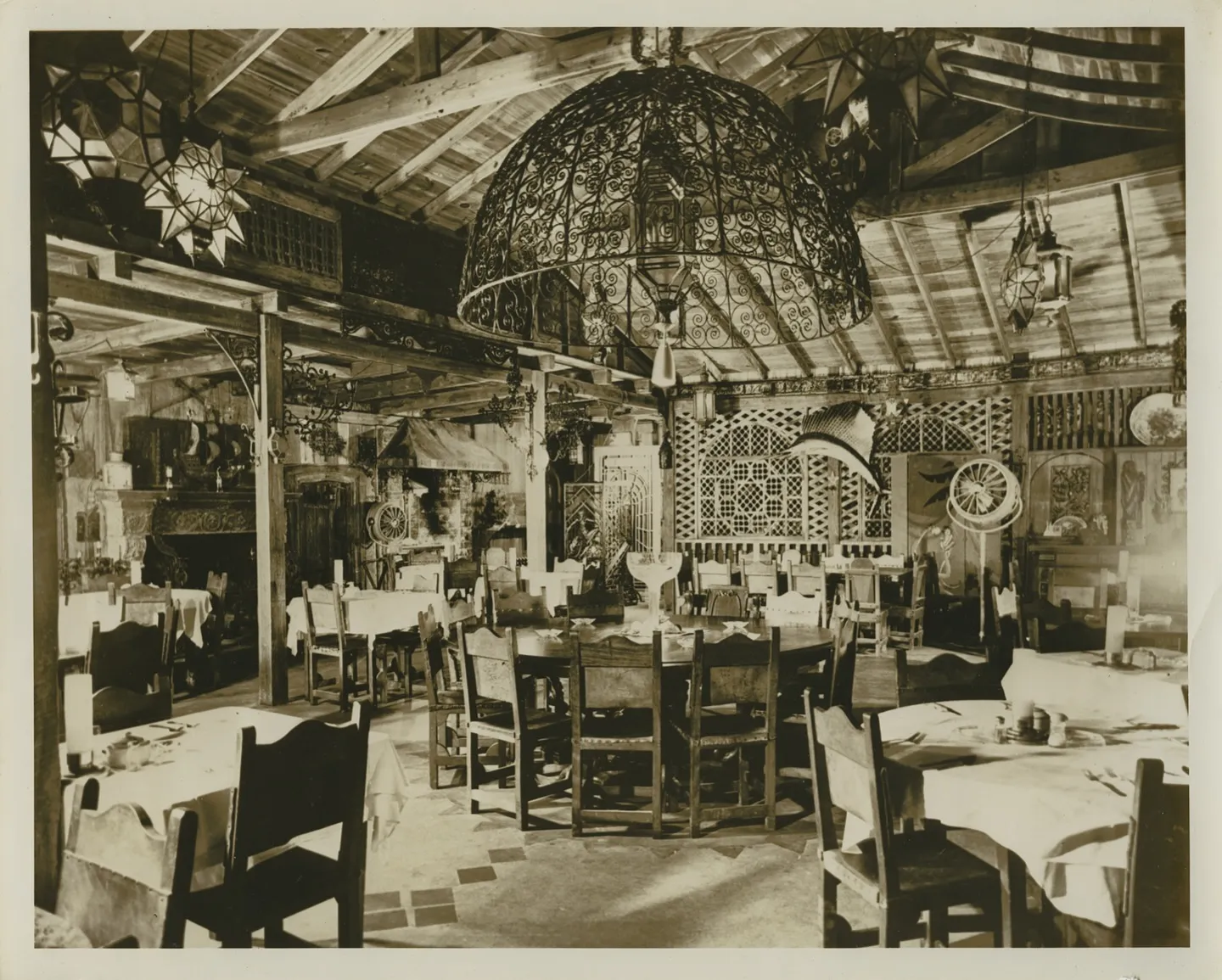
Latest on History
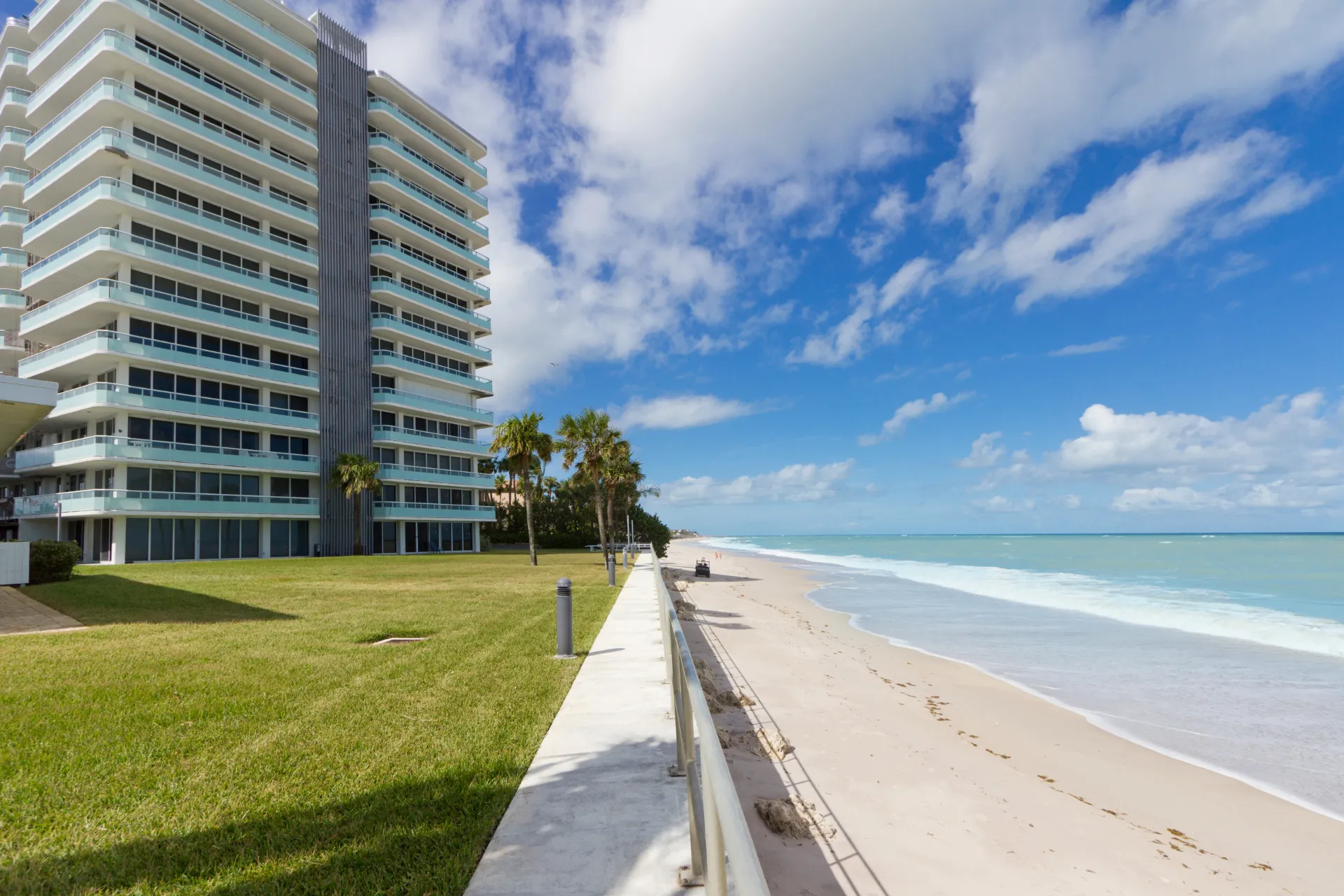
The Battle for the Skyline: How Vero Beach Preserved Its Low-Rise Coastal Paradise
Discover how Vero Beach preserved its low-rise coastal skyline. Learn the history of the 35-foot height limit, grandfathered buildings like Village Spires, and setback laws.
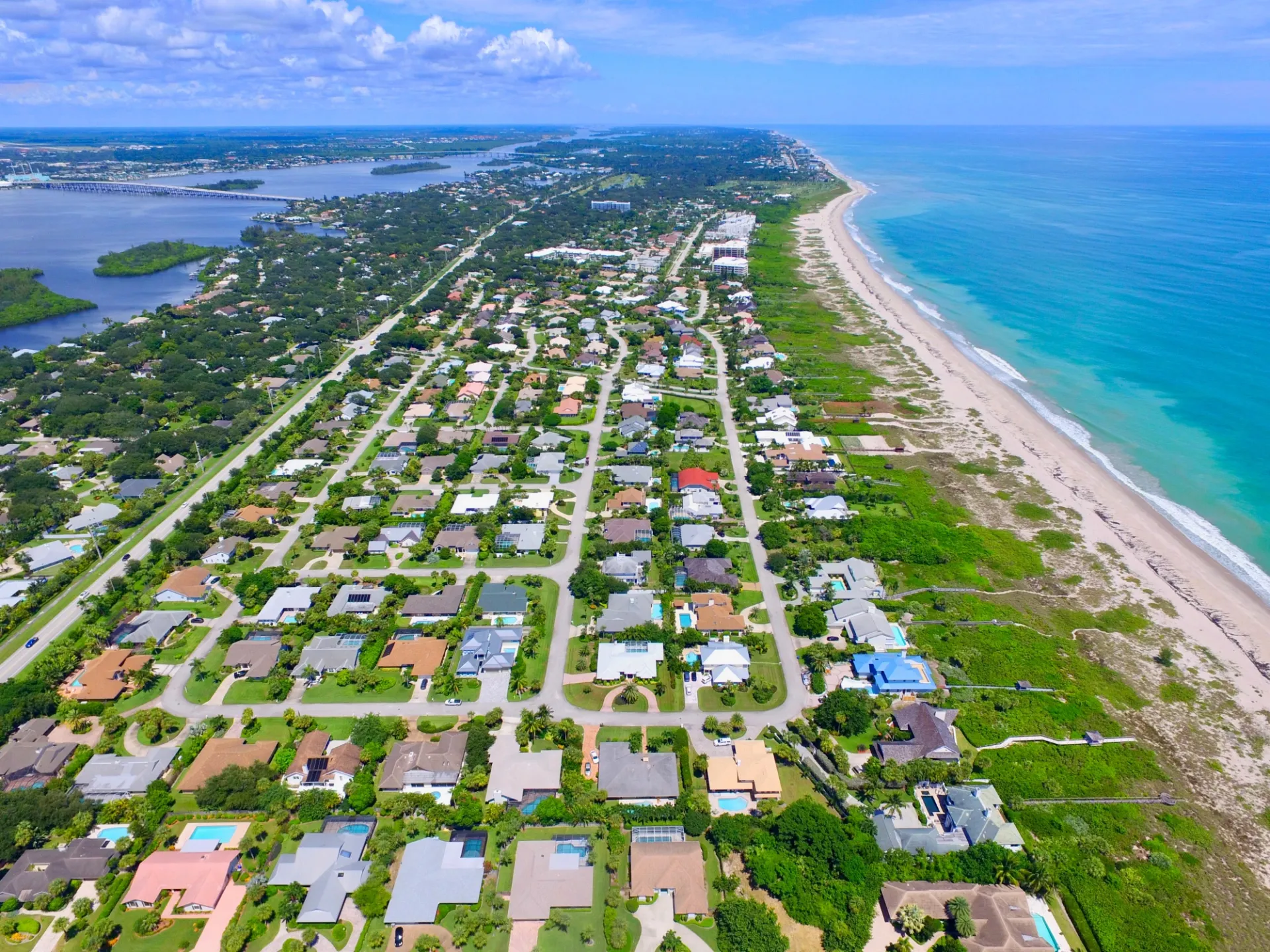
The History of A1A Through Vero Beach: from Sand Track to Scenic Corridor
A1A is the spine of the barrier island and a story in its own right.
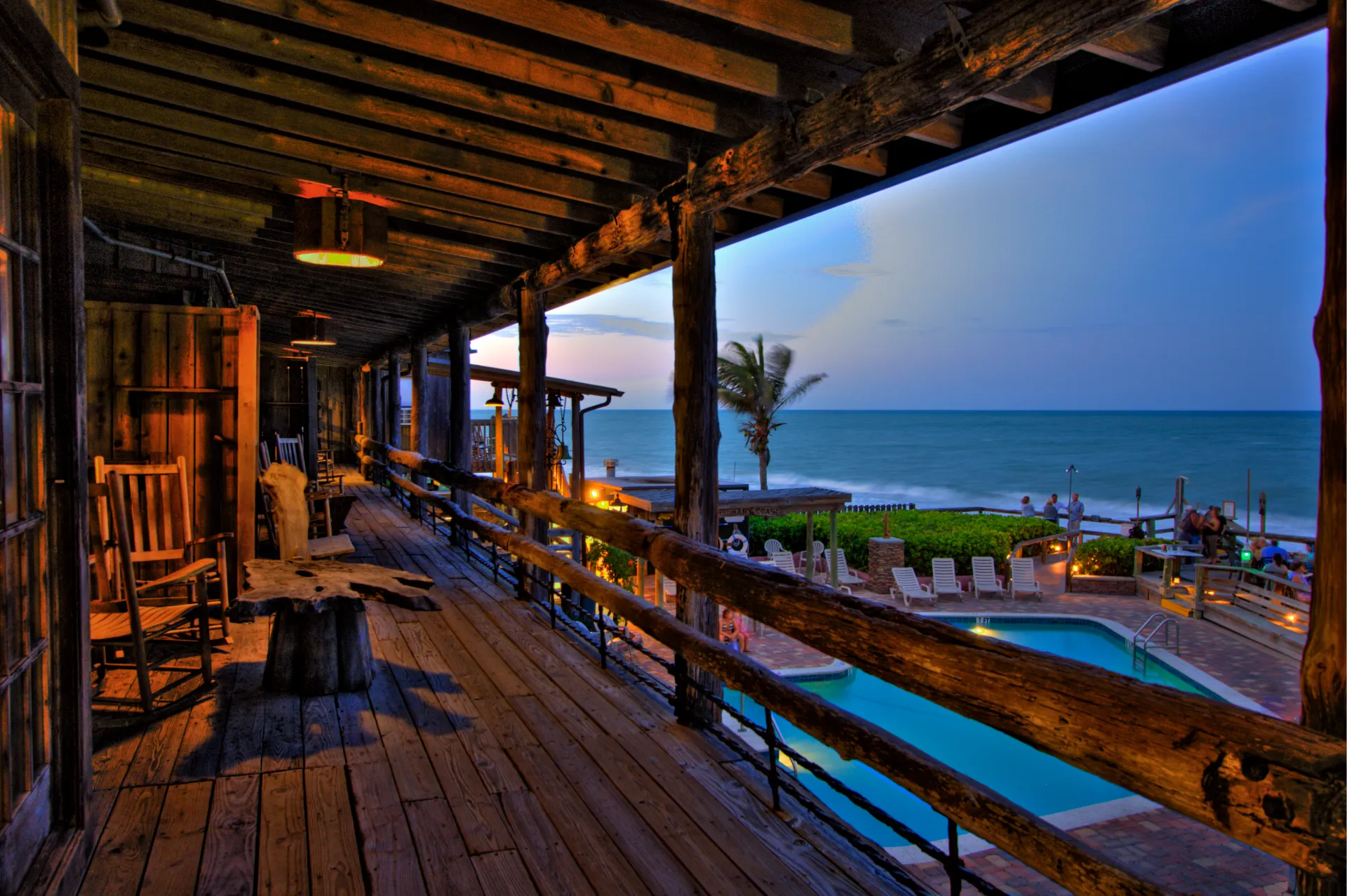
The Driftwood Inn: Waldo Sexton's Beachfront Legacy in Vero Beach
The Driftwood Inn anchors Ocean Drive and pre-dates almost everything around it.
Search and filter everything we have published in this section.
View allHow Did the Island Develop?
Mainland Vero grew first, on citrus and the railway. The island followed after 1919, when northern visitors organized the Riomar club around a dune golf course. Bridges, then air conditioning, then the postwar building boom filled in the rest, always at low density.
Why Is There No High-rise Skyline?
After taller buildings such as The Village Spires went up, the City of Vero Beach adopted a 35-foot height limit into its zoning code in 1973. On August 15, 1989, voters wrote the limit into the City Charter, so any increase now requires a public referendum. The Town of Indian River Shores and Indian River County set their own height rules. A handful of older oceanfront towers predate these limits.
What Survives from the Early Island?
The Riomar course, more than 100 years old and the only golf course on the barrier island with holes overlooking the Atlantic, expanded to 18 holes in 1962 and renovated in 2015, the original beachside street grid in Old Riomar, several 1920s Mediterranean Revival houses, and the oak canopy planted with them. The village's low storefront scale is itself a survival.
- 01
1919
Riomar's founders open a nine-hole course in the dunes, the first golf course on the barrier island.
- 02
1925
Riomar Country Club is chartered as electricity and city infrastructure reach the island.
- 03
1973
The City of Vero Beach adds a 35-foot height limit to its zoning code.
- 04
1989
Voters write the height limit into the City Charter.
How Tall Can Buildings Be on the Barrier Island?
It depends on the jurisdiction. In the City of Vero Beach the limit is 35 feet, adopted into the zoning code in 1973 and written into the City Charter in 1989, so any increase requires a voter referendum. The Town of Indian River Shores has its own zoning code: single-family zones are generally capped at 35 feet, while multi-family zones allow up to 40 feet or three stories, which is why some oceanfront condominiums in the Shores stand slightly taller. Unincorporated Indian River County follows county zoning height caps. A few older buildings, such as The Village Spires, predate these rules and stand taller.