How Vero Beach Preserved Its Low-Rise Coastal Paradise: The Battle for the Skyline
Discover how Vero Beach preserved its low-rise coastal skyline. Learn the history of the 35-foot height limit, grandfathered buildings like Village Spires, and setback laws.
Drive along Highway A1A in South Florida—through Miami, Fort Lauderdale, or Daytona—and you will pass through dense concrete canyons of 20- to 40-story condominiums towering directly over the Atlantic Ocean. They cast long shadows across the beach by mid-afternoon, blocking ocean breezes, overcrowding infrastructure, and dominating the natural horizon.
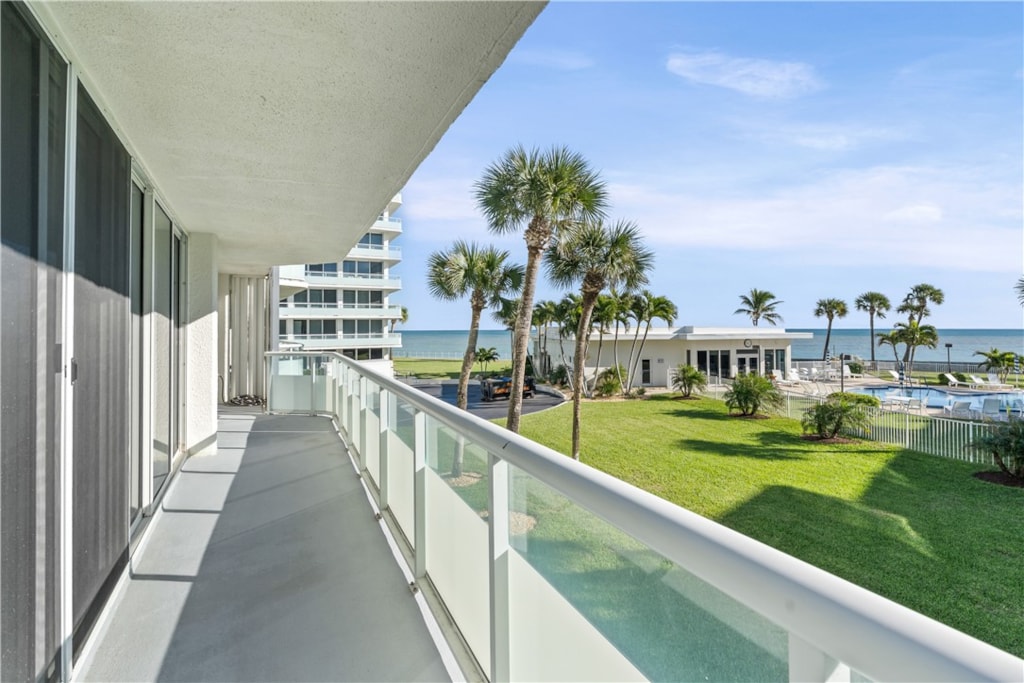
Then, cross the bridge onto Vero Beach’s barrier island (ZIP code 32963). The sky instantly opens up. Palm trees, sea oats, and low-slung, Mediterranean- and British West Indies-style structures define the coastline. Ocean breezes sweep unobstructed across Ocean Drive, and the horizon remains completely clear.
This stark difference is not an accident of nature or lack of developer interest. It is the result of a fiercely defended, decades-long political battle by local citizens to enact strict building height limits (the sacrosanct 35-foot rule) and stringent coastal setback lines. Here is the definitive history of how Vero Beach protected its skyline, which buildings predated the restrictions, and how these rules continue to safeguard island property values today.
1. The Catalyst: The 1970s High-Rise Boom & Public Backlash
During the late 1960s and early 1970s, Florida experienced an unprecedented condominium construction boom. Developers realized that building vertically yielded maximum profit per square foot of oceanfront dirt. Multi-story towers began springing up along Florida's coastline at a rapid pace.
Vero Beach was not immune. In the early 1970s, developers secured permits to build high-rise oceanfront residential towers on the barrier island before strict municipal caps were codified into law.
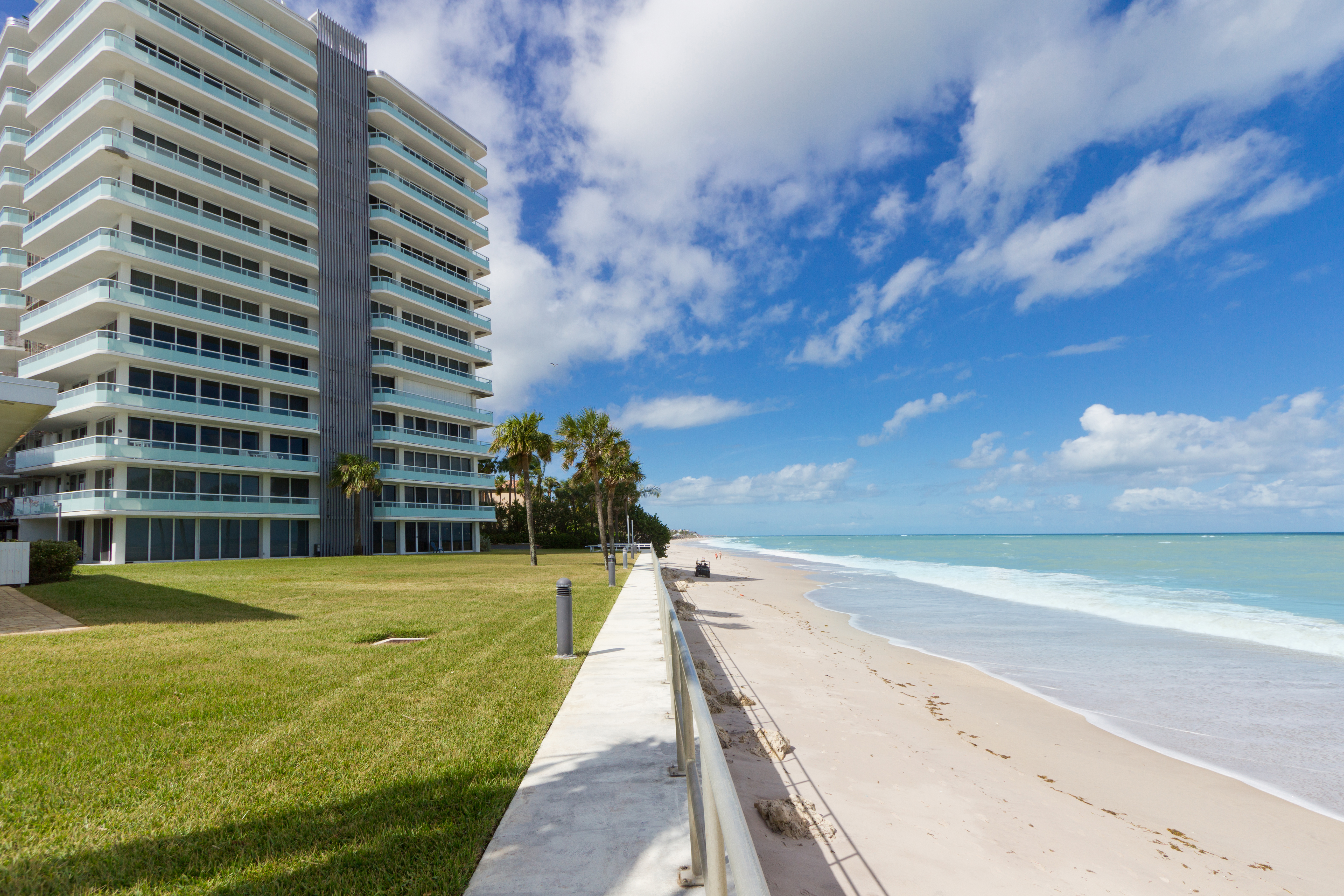
The defining turning point for the local community was the construction of The Village Spires in 1973—a pair of 13-story residential towers standing at 3500 Ocean Drive. Rising nearly 140 feet into the air, the twin towers immediately altered the beachside aesthetic.
The local reaction was immediate and overwhelming. Island residents, civic leaders, and the Oceanside Business Association realized that if left unchecked, Ocean Drive and A1A would quickly turn into a high-rise corridor similar to Gold Coast beaches further south. The community rallied around a single mandate: Never again.
2. Codifying the 35-Foot Limit: Charter Protections & Zoning Laws
In response to the public outcry following the construction of early mid- and high-rises, the City of Vero Beach and Indian County instituted strict land development regulations. They established a firm maximum building height limit of 35 feet (typically allowing a maximum of 3 stories) for all new residential and commercial construction across the barrier island.
To ensure future city councils or pro-development boards could not easily grant variances or overturn the restriction behind closed doors, key safeguards were written directly into the City Charter. In Vero Beach, changing fundamental density or building height caps is not a routine administrative vote—it requires a referendum vote by the citizens themselves.
Key Provisions of the 35-Foot Rule:
- Maximum Envelope: No principal structure on the barrier island can exceed 35 feet in height, measured from the established grade to the highest point of the roof.
- Architectural Embellishment Exceptions: Minor, non-habitable architectural accents (such as cupolas, chimneys, or decorative spires) are granted small technical allowances (up to 15 feet in specific commercial zones), but habitable living space above 35 feet is strictly prohibited.
- Density Controls: Height limits are paired with strict floor-area ratio (FAR) and lot coverage restrictions, preventing developers from creating high-density "block" structures even within the 35-foot envelope.
3. Grandfathered Exceptions: The Buildings That Predate the Rules
Because the U.S. Constitution and Florida land-use laws protect vested rights, structures built or fully permitted prior to the enactment of the strict 35-foot zoning limits were "grandfathered" in as legally non-conforming structures.
These handful of taller buildings remain fascinating historical artifacts on the 32963 skyline—conspicuous precisely because nothing like them can ever be built again:
| Building / Community | Approx. Height / Stories | Status & History |
|---|---|---|
| The Village Spires (3500 Ocean Drive) |
13 Stories (~140 ft) | Grandfathered High-Rise: Built in 1973 just before strict height caps took effect. Their construction triggered the intense citizen pushback that permanently limited barrier island heights. |
| Sea Coast Gardens / Island Condos (Select Ocean Drive / A1A Enclaves) |
4 to 5 Stories | Grandfathered Mid-Rises: A series of mid-rise multi-family structures built in the late 1960s and early 1970s that exceed 35 feet. |
| John's Island Club Condominiums (North Island) |
4 to 5 Stories | Grandfathered Master Plan: Certain oceanfront condo buildings within John's Island were approved under early PUD (Planned Unit Development) agreements established in the late 1960s/early 1970s prior to modern city/county caps. |
Note on Reconstruction: If a grandfathered non-conforming high-rise suffers major catastrophic destruction (exceeding 50% of its value) due to a hurricane or fire, current zoning codes generally require that any new structure built in its place must conform to modern 35-foot height caps and current setback lines.
4. The Coastal Construction Control Line (CCCL) & Waterline Setbacks
Height is only half of the equation preserving Vero Beach’s shoreline. The other vital restriction is proximity to the water—governed by strict coastal construction setbacks and the Florida Coastal Construction Control Line (CCCL).
Established under Florida Statute 161 and administered by the Florida Department of Environmental Protection (FDEP) in coordination with local Indian River County ordinances, the CCCL sets a boundary line based on 100-year storm surge predictions and dune erosion dynamics.
How Setback Restrictions Protect the Island:
- Preservation of the Primary Dune: No building, seawall, or major excavation is permitted seaward of the coastal construction setback line without specialized state environmental permits. This preserves the primary dune line, which acts as a natural storm surge barrier.
- Unobstructed Sea Air & Light: By forcing structures back behind the dune crest, buildings cannot overhang the beach. At high tide, beachgoers look up at natural sea oats, coastal palmettos, and low rooflines rather than towering concrete walls looming over the sand.
- Preventing Seawall Armoring: Modern setback rules prioritize natural dune retention over hard vertical seawalls, preserving the natural width and slope of Vero's sandy beaches.
5. Economic Impact: Why the 35-Foot Cap Drives 32963 Real Estate Value
For high-net-worth buyers and long-time residents, the 35-foot height limit is widely considered the single most valuable zoning protection on the barrier island. It directly influences real estate value in three major ways:
- Fixed Supply & Permanent Scarcity: Because developers cannot stack hundreds of units vertically on a single oceanfront acre, the total supply of residential units on the island is permanently capped. Scarcity protects long-term equity.
- Protected Light and Ocean Views: In cities without height limits, buying a second-row or inland property carries the constant risk that a 20-story tower will eventually be built across the street, blocking sea breezes and sunlight. In 32963, interior homes and low-rise condos enjoy permanently protected light and air corridor corridors.
- Low Traffic & Infrastructure Preservation: High-rise towers bring thousands of vehicle trips daily. Vero Beach’s low-density height caps keep A1A traffic flowing smoothly and preserve the unhurried, quiet village feel of Ocean Drive.
Frequently Asked Questions: Vero Beach Building Restrictions
What is the maximum building height on Vero Beach's barrier island?
Under City of Vero Beach zoning and Indian River County barrier island regulations, the maximum building height for new construction is 35 feet, which typically translates to a maximum of 3 stories.
Why are there a few tall condo buildings on Ocean Drive?
Buildings like The Village Spires (13 stories) were constructed in the early 1970s before the city and county enacted strict 35-foot height caps. They are "grandfathered in" as legal non-conforming structures. No new buildings of that height can ever be legally built on the island again.
Can a developer get a variance to build higher than 35 feet on the beach?
No. Height restrictions in Vero Beach are among the most strictly enforced land-use rules in Florida. Fundamental density and height caps are protected within the City Charter, requiring a public referendum vote rather than a simple council variance.
What is the Coastal Construction Control Line (CCCL)?
The CCCL is a state and county setback line that restricts how close to the ocean a property owner can build. It protects the coastal dune system, prevents beach erosion, and ensures buildings are placed safely back from storm surges.