Fishing Vero Beach's Barrier Island: Surf, Pier, Inshore, and Offshore
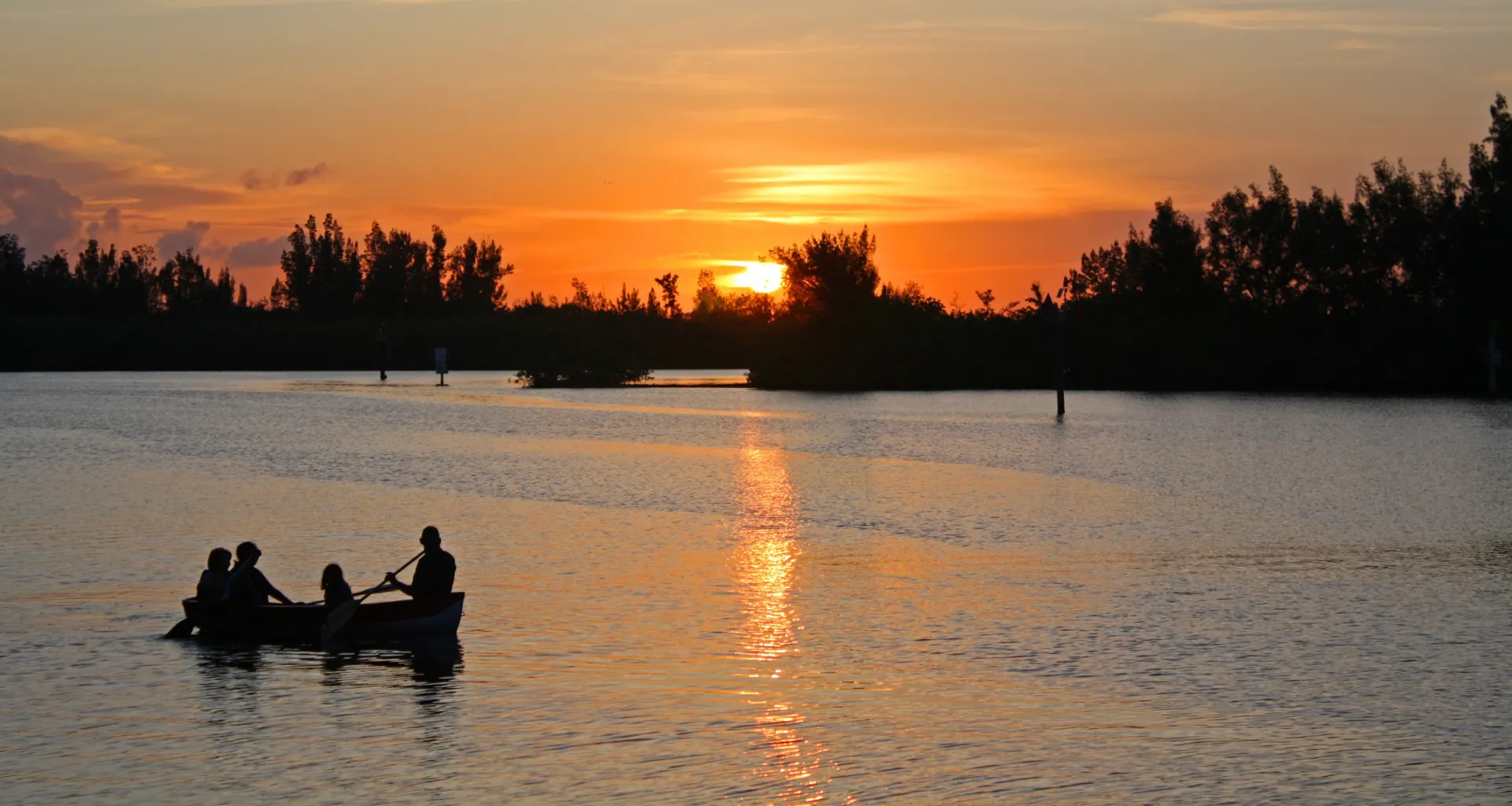
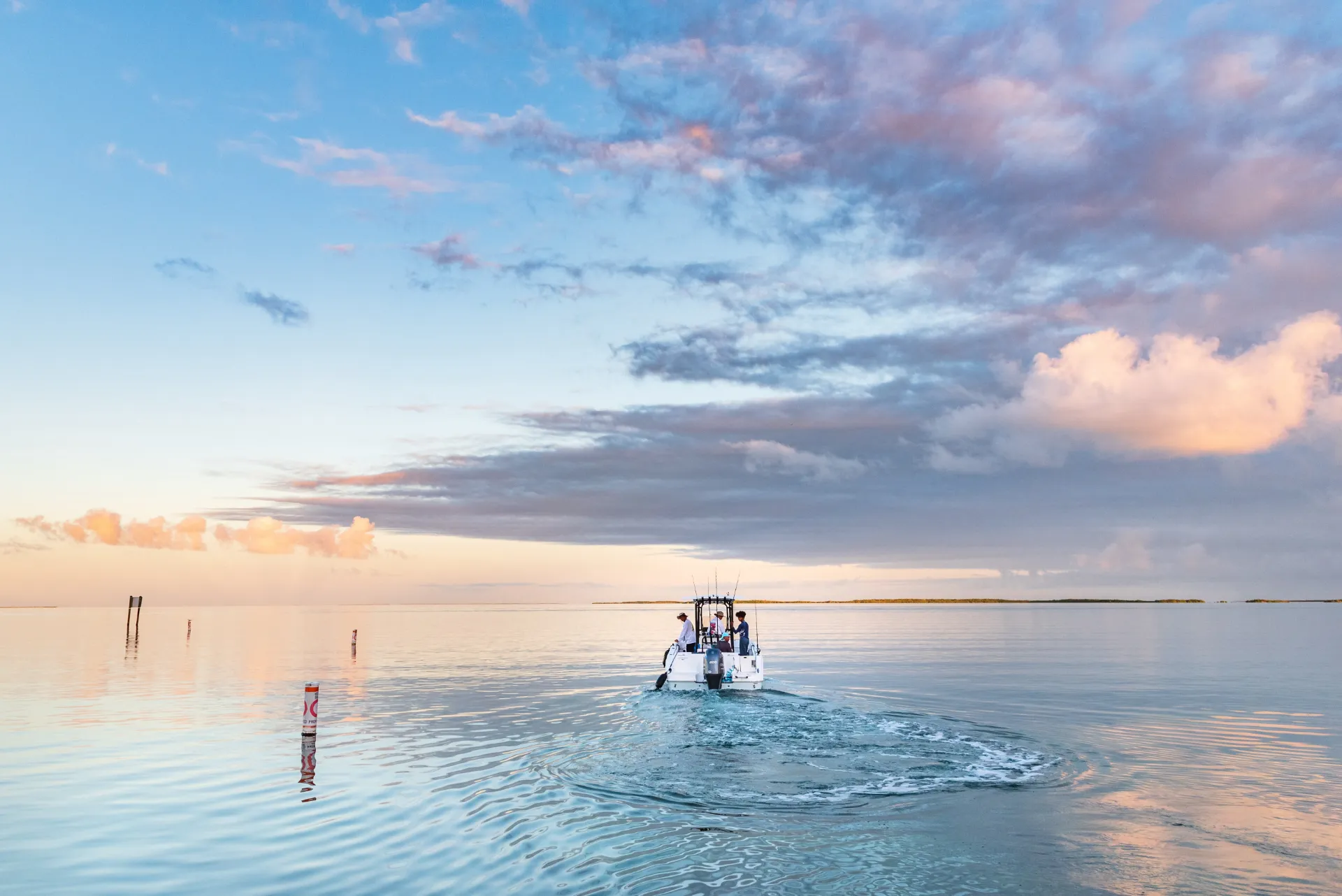
The barrier island sits between the Atlantic and the Indian River Lagoon, with strong fishing options on both sides.
The barrier island gives anglers two fisheries within walking distance of the same house: the Atlantic surf and the Indian River Lagoon. A short drive north opens up Sebastian Inlet, one of the most productive shore-fishing spots on the East Coast. A boat or a charter opens up offshore. This is the working guide to where, when, and how, written for someone who wants the real information, not a brochure.
1. Surf Fishing the Atlantic
The seventeen miles of barrier island beach hold a productive surf fishery year-round. Snook, pompano, whiting, jacks, bluefish, Spanish mackerel, and (in season) tarpon all run within casting distance of the dune line.
- Best access: Tracking Station Park, Wabasso Beach Park, Golden Sands Park, and Round Island Beach Park all allow surf fishing in designated stretches. Avoid lifeguarded swimming zones during posted hours.
- Best season: Pompano runs February through April. Snook open seasons vary by year; check FWC current rules. Tarpon roll along the beach late spring through summer.
- Best time: First and last light, into and around incoming tides.
- Gear baseline: 10 to 12 foot surf rod, 4000 to 6000 size reel, 20 to 30 pound braid, fluorocarbon leader, pyramid sinker, fresh shrimp or sand fleas for pompano, lures for jacks and bluefish.
2. Sebastian Inlet
About a 25-minute drive north from John's Island. The inlet is the productive bottleneck where the lagoon meets the Atlantic, and it is one of the best shore-access fisheries on the entire Florida coast.
- The North Jetty sits on the Brevard County side. The fishable section is shorter than the South Jetty but draws snook, redfish, and Spanish mackerel.
- The South Jetty on the Indian River County side is the more famous stretch. Snook fishing in summer is legendary. Tarpon, jacks, sharks, and big black drum all show.
- The catwalks under the A1A bridge produce snook, sheepshead, and trout.
- Permits: A Florida Saltwater Fishing License covers shore fishing here for non-residents. Florida residents over 65 are exempt; verify current rules.
3. The Indian River Lagoon (Inshore)
The lagoon side of the barrier island is a different fishery entirely. Grass flats, mangrove edges, dock structure, and oyster bars hold redfish, snook, sea trout, jacks, snapper, and tarpon.
- Best access from the island: Lagoon-side homes with private docks have direct access. Public lagoon access from the island side is limited; most lagoon fishing starts from a boat.
- Best technique: Live shrimp under a popping cork for trout and reds, soft plastics on jig heads, and topwater plugs at first light.
- Best season: Year-round. Cool months (December to March) push trout into the deeper holes; warmer months bring tarpon and snook into the flats.
- Bridges: The Merrill Barber, Alma Lee Loy, and Wabasso Causeway bridges all have productive bridge-light snook bites at night.
4. Offshore (Charter or Private Boat)
The Atlantic offshore fishery from Vero Beach is good without being trophy-class. The Gulf Stream is closer here than it is from points further south, which compresses the run time to bluewater.
- Reefs and wrecks: Hard bottom and reef structure within 15 miles holds snapper, grouper, kingfish, and amberjack. Mangrove snapper, mutton, and the occasional grouper are the consistent take.
- Sailfish: Sailfish runs through Vero in winter. December through March is the window; the bite is strongest closer to Stuart and Jupiter, but it does push north.
- Mahi and tuna: Spring and summer runs of mahi (dolphin) come through, with blackfin tuna mixed in. Most days are catchable from a 25-foot center console with a half-day commitment.
- Charters: A handful of full-time captains operate out of the area. Most full-day offshore trips run from the Fort Pierce or Sebastian inlets, since the barrier island itself has no inlet of its own.
5. Pier and Bridge Fishing
The barrier island has no commercial fishing pier of its own (the historic Vero pier was removed decades ago). The closest pier-fishing options are:
- Sebastian Inlet jetty system as covered above.
- The Sexton Plaza beachfront is rock-bottom in spots and produces incidental shore catches; not a pier but a workable surf option.
- Bridge sidewalks: Where local rules allow, bridge-side fishing produces snook at night under the lights.
6. Licenses and Rules to Know
- Florida Saltwater Fishing License required for non-resident anglers and most resident anglers. Available online via FWC.
- Snook stamp and slot rules change. Always check current FWC regulations before keeping a fish.
- Spotted sea trout, redfish, and tarpon all have specific bag and size limits. Some are catch-and-release in the Indian River Lagoon.
- Sea turtle interaction: Hooked sea turtles, common during pompano and shark season, must be handled per FWC guidelines and reported. Do not cut the line at the mouth; bring the turtle to shore safely if possible.
7. Local Tackle and Bait
For tackle, fresh bait, and current bite reports, the local shops on the mainland (Whitey's Bait and Tackle in Vero, the shops near Sebastian Inlet) are the right stops. Walk in, ask what is biting, and listen. The reports are more accurate than any online forum.
The Bottom Line
An angler who lives on the barrier island has two distinct fisheries minutes from home and a third (offshore) within charter distance. The right setup is one rod for the surf, one for the lagoon, a current FWC rules summary on your phone, and enough fresh shrimp in the cooler to switch between targets. Done right, the island is one of the more productive multi-fishery addresses on the Florida coast.